GearAtlas
Free camera tool

Sensor Size Visualizer

Compare camera sensor sizes visually and understand crop factor, focal length equivalence, depth-of-field look, low-light area, and framing before choosing a camera system.

Formats

9

Custom input

mm

Lens math

Live

Live sensor overlay

Sensor sizes drawn to scale

Compare physical capture area, crop factor, framing, equivalent focal length, depth-of-field look, and low-light area in one visual workspace.

B · FFA · APS-C

Sensor A

APS-C Sony/Nikon/Fuji

23.5mm15.6mm367mm2

Sensor B

Full Frame

36mm24mm864mm2

Area comparison

APS-C Sony/Nikon/Fuji is 42% the area of Full Frame.

Sensor A

APS-C Sony/Nikon/Fuji

23.5 x 15.6mm · Fujifilm X, Sony a6xxx, Nikon Z DX

Crop factor

x1.53

Full-frame equivalent

53.7mm

DOF equivalent aperture

f/2.8

Sensor area

367 mm2

Horizontal view at distance

2.01m

Best for travel, street, creator kits, Fujifilm color systems, compact telephoto reach. The look is usually smaller than full frame but large enough for strong image quality and subject separation.

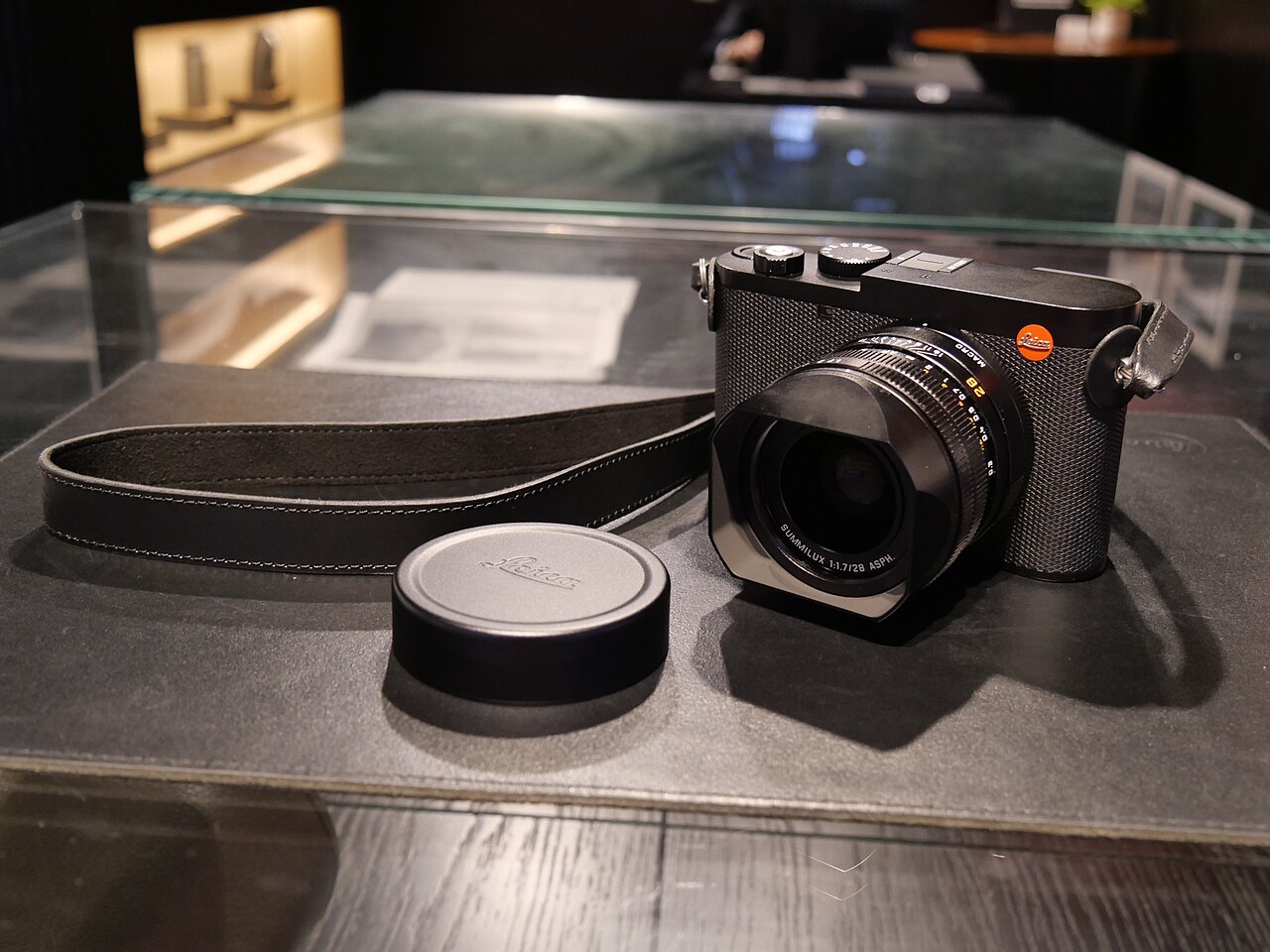
Sensor B

Full Frame

36 x 24mm · Sony Alpha, Canon R, Nikon Z, Leica SL

Crop factor

x1.00

Full-frame equivalent

35.0mm

DOF equivalent aperture

f/1.8

Sensor area

864 mm2

Horizontal view at distance

3.09m

Best for hybrid pro work, low light, shallow depth of field, wide lens choice. The look is usually the common reference point for focal length, aperture equivalence, and lens look.

Sample framing preview

Same lens, same distance, different capture width

A · APS-C
B · FF

Medium Format

44 x 33mm

x0.79

Best for maximum image quality, portrait tonality, studio, landscape, commercial work.

Full Frame

36 x 24mm

x1.00

Best for hybrid pro work, low light, shallow depth of field, wide lens choice.

Super 35

24.6 x 13.8mm

x1.53

Best for cinema work, controlled lighting, compact cine bodies, lens character.

APS-C Canon

22.3 x 14.9mm

x1.61

Best for budget wildlife, travel, smaller lenses, entry and enthusiast Canon kits.

APS-C Sony/Nikon/Fuji

23.5 x 15.6mm

x1.53

Best for travel, street, creator kits, Fujifilm color systems, compact telephoto reach.

Micro Four Thirds

17.3 x 13mm

x2.00

Best for video, travel, wildlife reach, compact lenses, stabilization-heavy kits.

1-inch Sensor

13.2 x 8.8mm

x2.73

Best for premium compacts, travel zooms, vlogging cameras, drones.

Smartphone Sensor

9.6 x 7.2mm

x3.61

Best for always-with-you capture, computational photography, social-first content.

Sensor size FAQ

Beginner-friendly answers with enough precision for advanced users

These explanations are simplified on purpose. They are meant to help you reason about camera systems, not replace lab testing.

What is crop factor?

Crop factor compares a sensor's diagonal size to full frame. A smaller sensor crops the image circle, so the same lens gives a tighter field of view.

Does crop factor change my lens focal length?

No. A 35mm lens remains a 35mm lens. Crop factor describes field of view equivalence, so a 35mm lens on APS-C frames similarly to roughly 50mm on full frame.

What is equivalent aperture?

Equivalent aperture is a depth-of-field comparison. For a similar framing and subject distance, multiply the f-number by crop factor to estimate the full-frame depth-of-field look.

Are larger sensors always better in low light?

Larger sensors usually collect more total light at the same exposure settings, but real low-light results also depend on sensor generation, resolution, lens brightness, stabilization, shutter speed, and processing.

Why do sensor sizes vary inside APS-C and Super 35?

APS-C and Super 35 are format families, not one exact rectangle. Canon APS-C is a little smaller than Sony, Nikon, and Fujifilm APS-C, and Super 35 varies across cinema cameras and recording modes.

Personalize this tool

Save results to your gear locker, wishlist, kits, price alerts, and advisor history.